
Staying in a hotel responds to an infinity of needs: you may be working in the city for a few days, it could be a family vacation, with friends… but despite the reasons differing, the expectation is always the same: tranquility. Whether during the nighttime rest or at midday, whatever the time, it is essential that our rooms and the hotel facilities are acoustically conditioned.
Precisely, interior design in hotels not only aims to offer this acoustic comfort, but it also advocates for a pleasant and functional aesthetic to guarantee the comfort of the guests. In this sense, sound conditioning is essential for creating a harmonious and tranquil environment. This article explores the importance of acoustic comfort, how aesthetic and functional design complement each other in hotel spaces, and which areas require acoustic insulation and special attention to enhance the guest experience.
Acoustic Comfort: Key and Essential
Acoustic comfort is a key aspect to ensure that guests enjoy a pleasant stay. In environments like hotels, where interaction with other guests and external noise is inevitable, sound can become a significant nuisance. This type of noise pollution affects sleep quality and overall well-being, which are fundamental factors for making guests feel comfortable.
To achieve adequate acoustic comfort, it is necessary to use materials that absorb sound and distribute it in a way that minimizes echoes and reverberation in the rooms. What elements can we use? Acoustic panels, heavy curtains, carpets, and suspended ceilings—anything that helps create a peaceful environment, isolating us from annoying noises but at the same time, as we will see in the next section, contributing to the aesthetic image we seek.
Aesthetic and Functional Design: Absolute Harmony
The aesthetic and functional design of hotels must go hand in hand with sound conditioning. The functionality of spaces depends not only on the layout and furniture but also on how the environment is perceived. A well-designed space should not only be visually pleasing but also pleasant to the senses, and sound is an essential part of this sensory experience.
Here, it will be necessary to integrate acoustic solutions discreetly and aesthetically. Materials like wood, glass, and fabrics can contribute both to decoration and sound absorption. The combination of visual and acoustic elements ensures that spaces are functional and inviting.
Areas Where Acoustic Insulation Should Be Applied:
Acoustic insulation in hotels must be applied strategically in specific areas to guarantee maximum effectiveness, contributing to the best taste possible without losing functionality. The key spaces will be:
- Rooms and Suites: As the basic element of the hotel and the one that provides the most privacy for the client, it should be isolated from external noise and noise from other rooms. Acoustic panels or double-glazed windows will play an important role here.
- Hallways and Common Areas: These are high-traffic areas that tend to generate noise. Here, acoustic insulation can reduce the sound of footsteps and conversations. Materials such as thick carpets or acoustic wall coverings help mitigate sound.
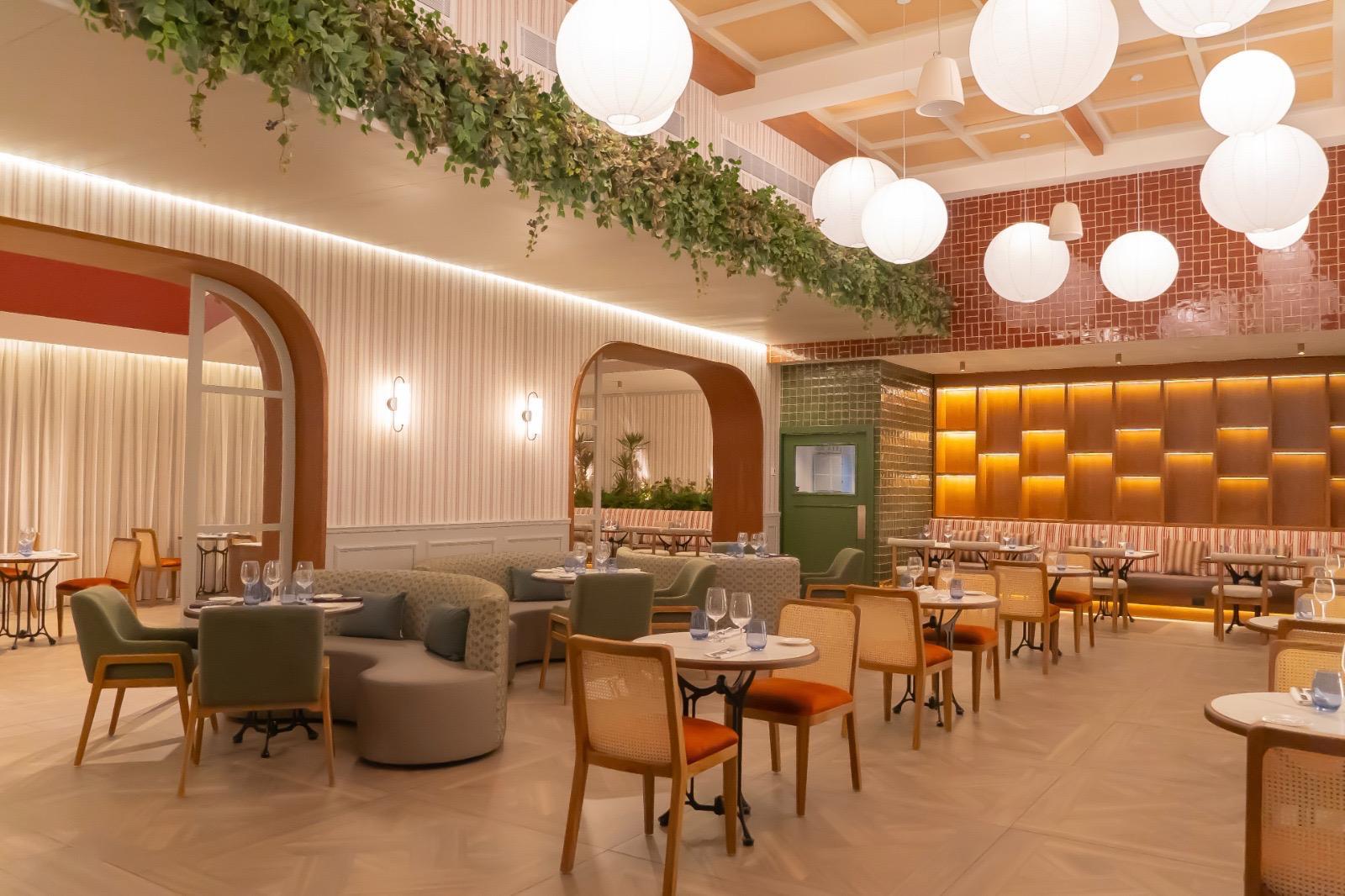
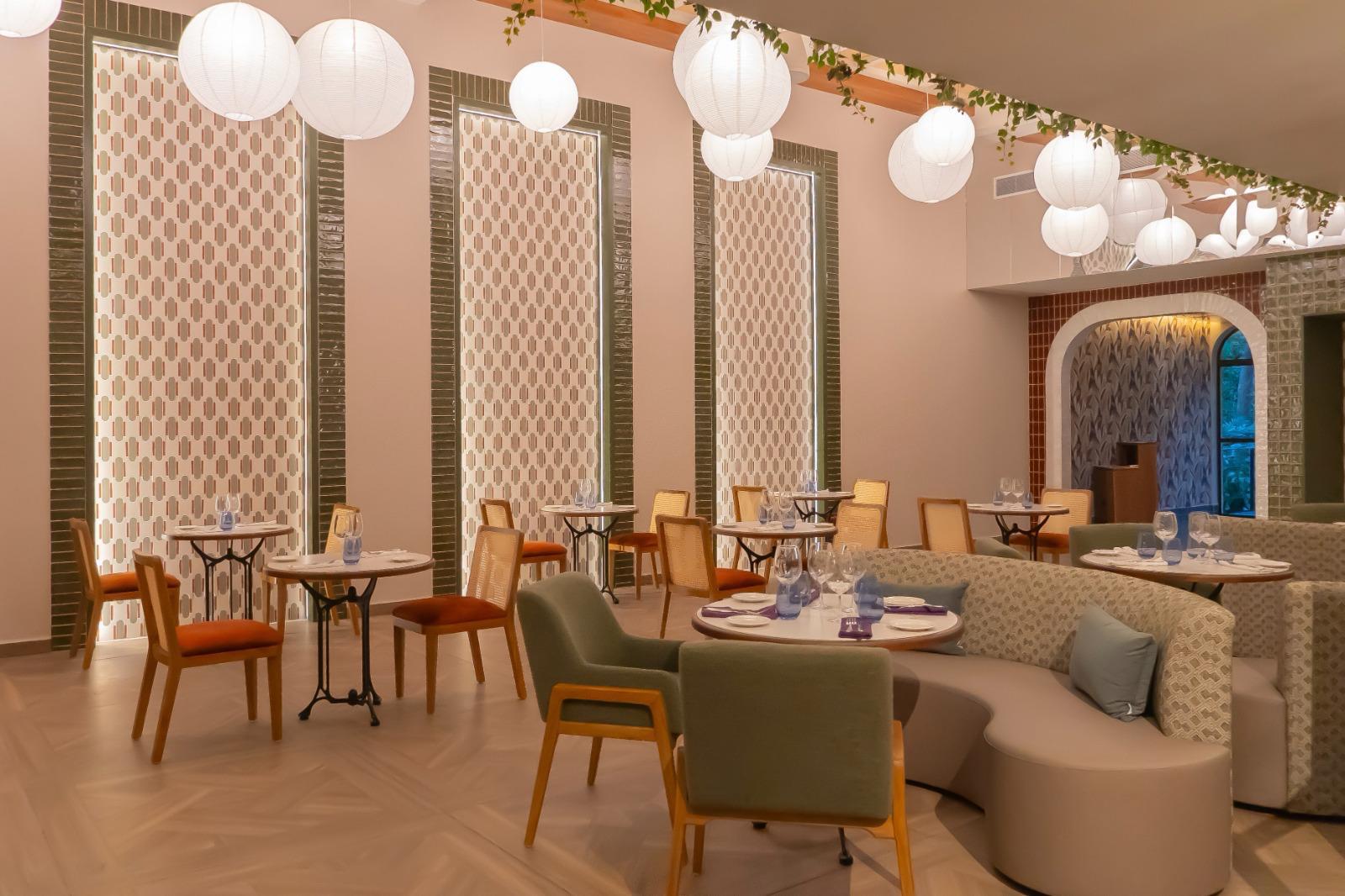
- Restaurants and Bars: These spaces require a balance between a pleasant sound environment and conversation. What should we use? Acoustic absorption systems, such as decorative panels on the ceiling or wall coverings, can prevent excessive reverberation and noise buildup.
- Meeting and Conference Rooms: The use of mobile or fixed acoustic panels and acoustic ceilings helps control reverberation and ensures that conversations are clear and without interference.
- Gyms and Spa Areas: Although these are not always the first areas where acoustic insulation is considered, acoustic comfort is also important in these spaces. Activities in these places can generate annoying sounds that affect guests’ relaxation and concentration. Proper insulation helps create a more tranquil and pleasant environment.
Rojas Contract always takes into account the main market options in terms of sound conditioning for hotels in its interior design projects. Furthermore, as always, it combines this with attention to detail and knowledge of the main aesthetic trends to blend functional elements with attractive designs that meet the specific needs of each hotel.